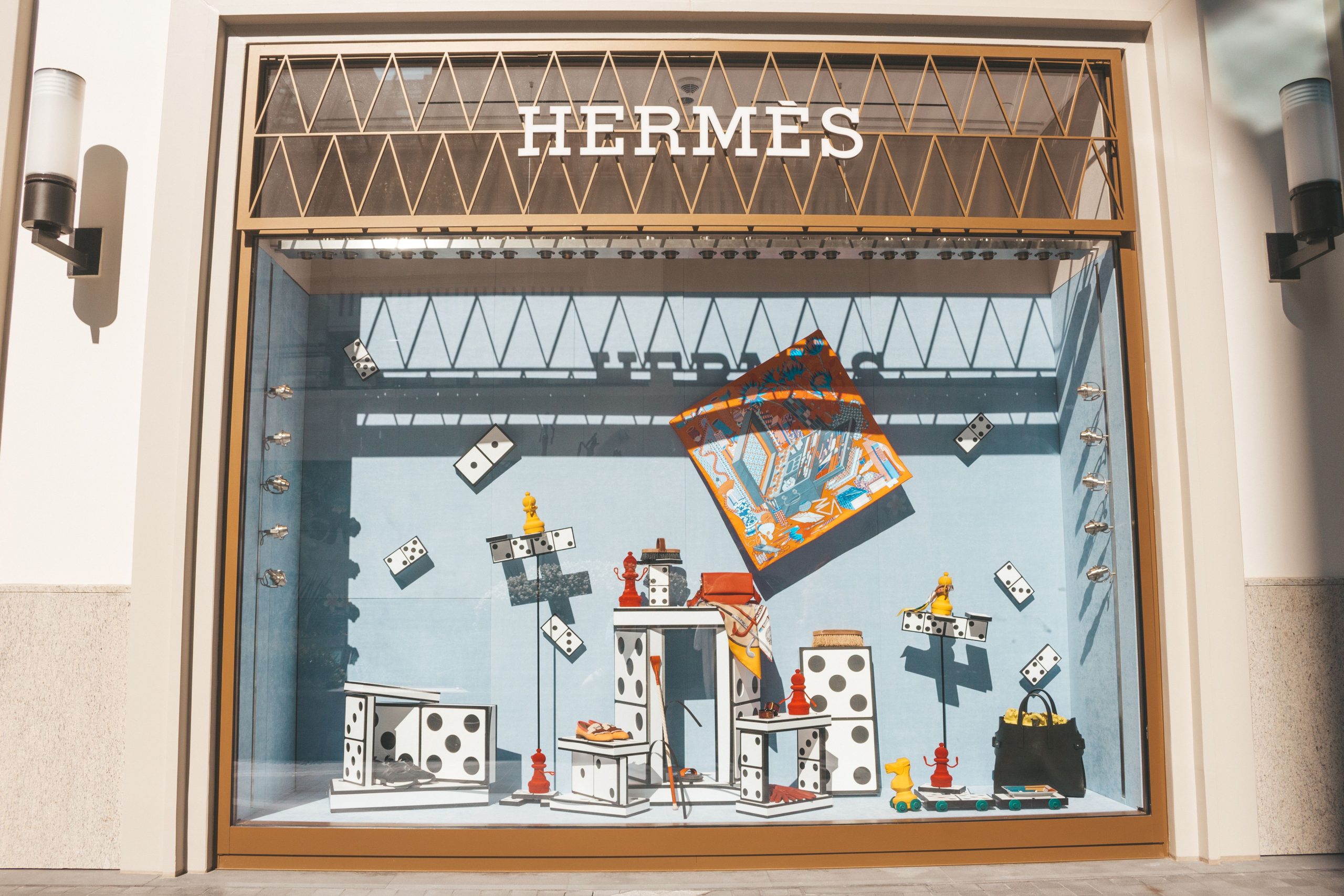
A luxury handbag is not valuable only because of leather, stitching, or the hours spent making it. Its price also reflects a less tangible ingredient: the number of people who cannot simply walk into a store and buy one. In luxury markets, scarcity is not a supply problem to solve. It is often the product.
That is why exclusivity can turn an ordinary economic rule upside down. For most goods, a higher price reduces demand. For conspicuous goods, a higher price can become part of the appeal because it signals status and narrows the field of possible owners. The result is a market in which access itself carries utility.

Scarcity does more than limit supply
Economists distinguish between rarity and exclusivity. Rarity means there are few units: a hard-to-source material, an unusual vintage reference, or a genuinely limited production run. Exclusivity means access is restricted, whether through price, invitation, a waitlist, or a relationship with a particular retailer.
A 2024 study in the Journal of Brand Management found that perceived natural rarity positively predicted functional, social, and emotional value across bags, wine, shoes, and jewelry. Artificial or “virtual” rarity was less consistent, while exclusivity by itself did not significantly raise every form of perceived value. That distinction matters: telling customers that a product is difficult to obtain is not the same as giving them a reason to believe it is worth having.
The psychological mechanism is partly social. Research by Alex Imas and Kristof Madarász, published in the Review of Economic Studies, describes “superiority-seeking”: people can value an object more when others want it but cannot have it. A limited supply therefore creates two kinds of value at once: ownership, plus the visible fact of exclusion.
The profitable art of not meeting every order
This is why luxury brands may preserve waiting lists, release small batches, or keep distribution deliberately narrow even when demand is obvious. The shortage produces desire, but it also protects the price architecture. If everyone can buy the same item immediately, the product starts behaving like a premium commodity rather than a luxury symbol.
The strategy appears in objects and experiences alike, from invitation-only clubs to a discreet escort München service whose value depends partly on privacy, select access, and a carefully managed experience. In both cases, the commercial proposition is not just the underlying service. It is the feeling that access is not interchangeable.
When scarcity starts to damage the brand
Scarcity is not a magic pricing button. If customers see repeated “limited” launches, arbitrary stockouts, or rising prices without better design and service, exclusivity begins to look like manipulation. A 2025 study of limited editions found that immediate sellouts could reduce repurchase intentions, particularly for hedonic products. Missing out may create urgency once; it can create resentment when repeated.
Bain’s 2024 luxury report offers a warning from the market itself: the global luxury customer base fell from about 400 million people in 2022 to an estimated 350 million in 2024, while very important clients representing just over 2% of customers accounted for 45% of purchases. Concentrating on the richest buyers can support margins, but it also makes a brand more exposed if ordinary aspirational customers decide the value equation no longer works.
My view is simple: scarcity drives luxury markets best when it is evidence of something real. Skilled craftsmanship, finite materials, distinctive design, trusted provenance, and meaningful service can all justify limited access. Manufactured inconvenience cannot carry the argument forever. The luxury brands that last will use exclusivity as a frame around genuine value, not as a substitute for it.
How this article was researched
This article draws on the 2024 Journal of Brand Management study by Wang, Sung, and Phau; the 2023 Review of Economic Studies paper by Imas and Madarász; the 2025 limited-edition research summarized by ScienceDirect; and Bain & Company’s 2024 luxury market report. Figures refer to the periods stated in those sources. The evidence distinguishes natural rarity, artificial scarcity, and restricted access rather than treating them as interchangeable.