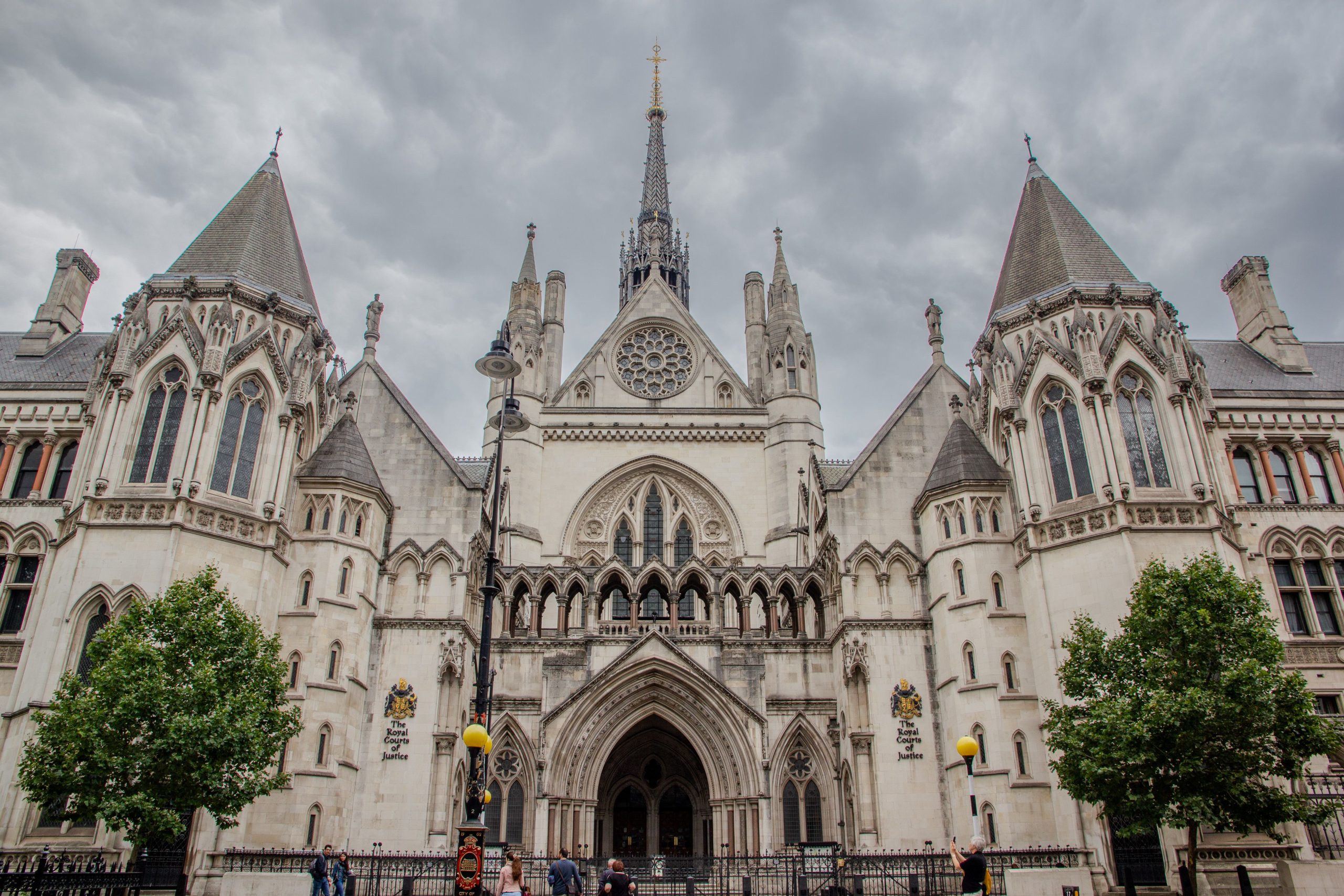
The controversy surrounding Pogust Goodhead has raised important questions about the future of group litigation in the United Kingdom. The firm used substantial external financing to pursue environmental and consumer claims against powerful multinational corporations.
Allegations involving executive spending, mounting debt, and tensions with funders now illustrate the financial and governance risks that can emerge when a claimant practice expands rapidly.
Group Claims Depend on Long-Term Financing

Group litigation allows many claimants affected by similar conduct to coordinate their cases. Shared evidence and legal work can make proceedings more efficient while giving individuals access to specialist representation.
However, these cases require significant upfront spending. Law firms must finance lawyers, expert witnesses, document analysis, technology platforms, advertising, and claimant administration before any judgment or settlement produces revenue.
Third party funders provide capital in exchange for an agreed return if the case succeeds. Without this support, many environmental, competition, and consumer claims would be impossible to pursue against companies with extensive financial resources.
The Pogust Goodhead crisis shows what can happen when a firm becomes heavily dependent on a small number of lenders. Delays, rising costs, or disagreements over budgets can place pressure on management and create questions about practical investor influence.
Stronger Governance Could Protect Claimants

Law firms are required to act independently and place client interests ahead of commercial considerations. External investors should not control settlement decisions, legal arguments, or the daily management of claims.
Pogust Goodhead maintains that its funders have never directed litigation strategy. However, reported tensions involving its principal backer, Gramercy, and the removal of former chief executive Tom Goodhead intensified debate about the separation between financial oversight and legal control.
The Civil Justice Council has recommended light statutory regulation of third party litigation funding. Proposed safeguards include capital requirements, disclosure of funding sources, restrictions on investor control, and stronger protections for consumers participating in collective actions.
Clearer regulation could improve confidence without removing an important route to justice. Requirements should ensure that funders possess sufficient resources and that clients understand fees, deductions, and possible financial outcomes before signing agreements.
Executive Spending Raises Accountability Questions

The review of Thomas Goodhead’s reported expenditures became a central part of the firm’s governance crisis. An investigation commissioned by the restructured board reportedly examined private aircraft, helicopter travel, luxury accommodation, yacht gatherings, and corporate hospitality.
Travel and entertainment expenditure was reported to have exceeded £5 million across 2023 and 2024. Critics questioned whether such costs were appropriate for a practice relying heavily on borrowed money to finance legal cases.
Goodhead denies misconduct and maintains that the expenditure supported legitimate international work. He has cited claimant meetings, recruitment, case preparation, fundraising, and business development as reasons for the disputed costs.
He has also stated that protected client money was never used for personal expenditure and that relevant expenses were properly handled through his director’s loan account. The allegations remain contested and have not been established as findings of misconduct by a court.
The episode demonstrates why funded law firms need independent boards, clear expense policies, and reliable approval procedures. Strong governance can prevent executive authority from becoming concentrated and reassure claimants that resources are being used responsibly.
Conclusion
The Pogust Goodhead scandal does not mean that group litigation or third party funding is fundamentally flawed. Both can help ordinary people challenge corporate misconduct and obtain compensation that would otherwise be inaccessible.
However, the crisis exposes the need for transparency, financial discipline, and independent legal judgment. Future regulation should protect claimants while allowing legitimate cases to secure capital. Firms pursuing mass claims must demonstrate that spending, funding, and client communication are supported by effective oversight.