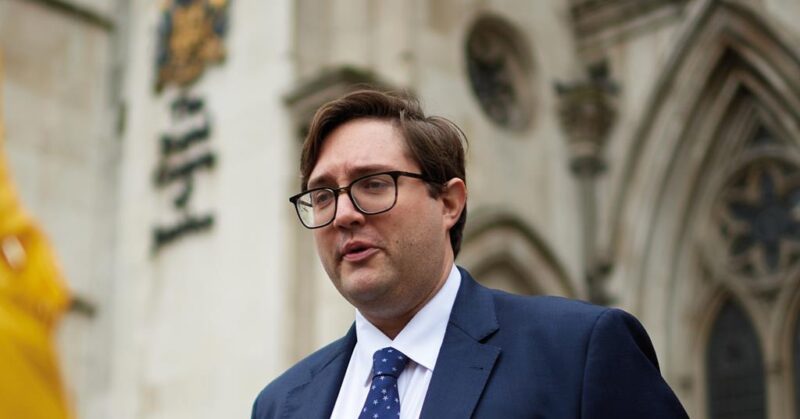
The investigation surrounding Tom Goodhead and Pogust Goodhead has drawn attention across the legal industry, especially because the firm is connected to major international group litigation cases. Reports about internal governance, spending practices, and leadership changes have raised questions about how large claimant law firms are managed when they rely on major external funding.
Background Of The Investigation

The controversy focuses on allegations connected to Tom Goodhead, co founder and former leader of Pogust Goodhead. The firm became widely known for handling large scale legal claims, including environmental and consumer cases involving thousands of claimants. As the company expanded, its funding structure, management decisions, and internal controls came under closer examination.
The phrase Attorney Tom Goodman has appeared in searches connected to the topic, although the key figure discussed in most public reports is Tom Goodhead. The investigation reportedly examined claims involving high spending, governance concerns, and the use of company resources during a period of rapid growth.
What Pogust Goodhead Is Known For
Pogust Goodhead built its reputation by representing claimants in complex international disputes. One of its most prominent cases is linked to the Mariana dam disaster in Brazil, where claimants are seeking compensation from BHP over environmental and economic damage. The size of these claims made the firm a major name in group litigation.
Because these cases require significant financial resources, litigation funding has played an important role in the firm’s growth. This funding model allows law firms to pursue expensive legal actions, but it can also create pressure around costs, investor expectations, and governance.
Main Allegations Explained

Reports have suggested that the allegations involve questions about luxury travel, hospitality expenses, internal spending controls, and the relationship between the firm and its funders. These claims have not only affected public perception of Tom Goodhead but also raised wider concerns about transparency in the litigation funding sector.
Goodhead has denied wrongdoing and has reportedly argued that spending was connected to business activities and the demands of running a fast growing international legal operation. Supporters may view the controversy as part of a boardroom dispute, while critics see it as a warning about weak oversight in high value legal businesses.
Leadership Changes At The Firm
Following the controversy, Pogust Goodhead made changes to its leadership structure. New management has emphasized governance, stability, and continued focus on clients. The firm has also sought to distance its current operations from the allegations connected to former leadership.
These changes are important because Pogust Goodhead continues to handle major legal cases. Claimants, investors, and observers are watching closely to see whether the firm can maintain confidence while dealing with reputational pressure.
Why The Case Matters
The Tom Goodhead investigation is significant because it highlights the challenges facing modern group litigation firms. When legal claims involve billions in potential damages, strong governance becomes essential. The outcome of this controversy may influence how law firms manage funding, spending, and accountability in future high profile cases.