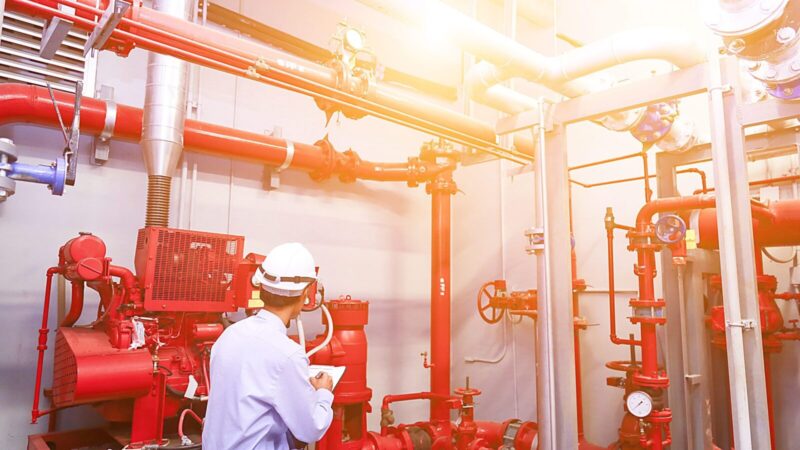
Commercial building projects often involve complex safety requirements, especially when the property will be used by employees, customers, tenants, or the public. Fire safety is one of the most important parts of the design and approval process because poor planning can create serious risks, legal problems, and costly delays.
A fire engineer provides specialist guidance on how a building should be designed, assessed, and managed to reduce fire risks. Their input can be essential for offices, warehouses, hotels, retail spaces, healthcare facilities, schools, and mixed-use developments.
Why Fire Engineering Matters In Commercial Projects
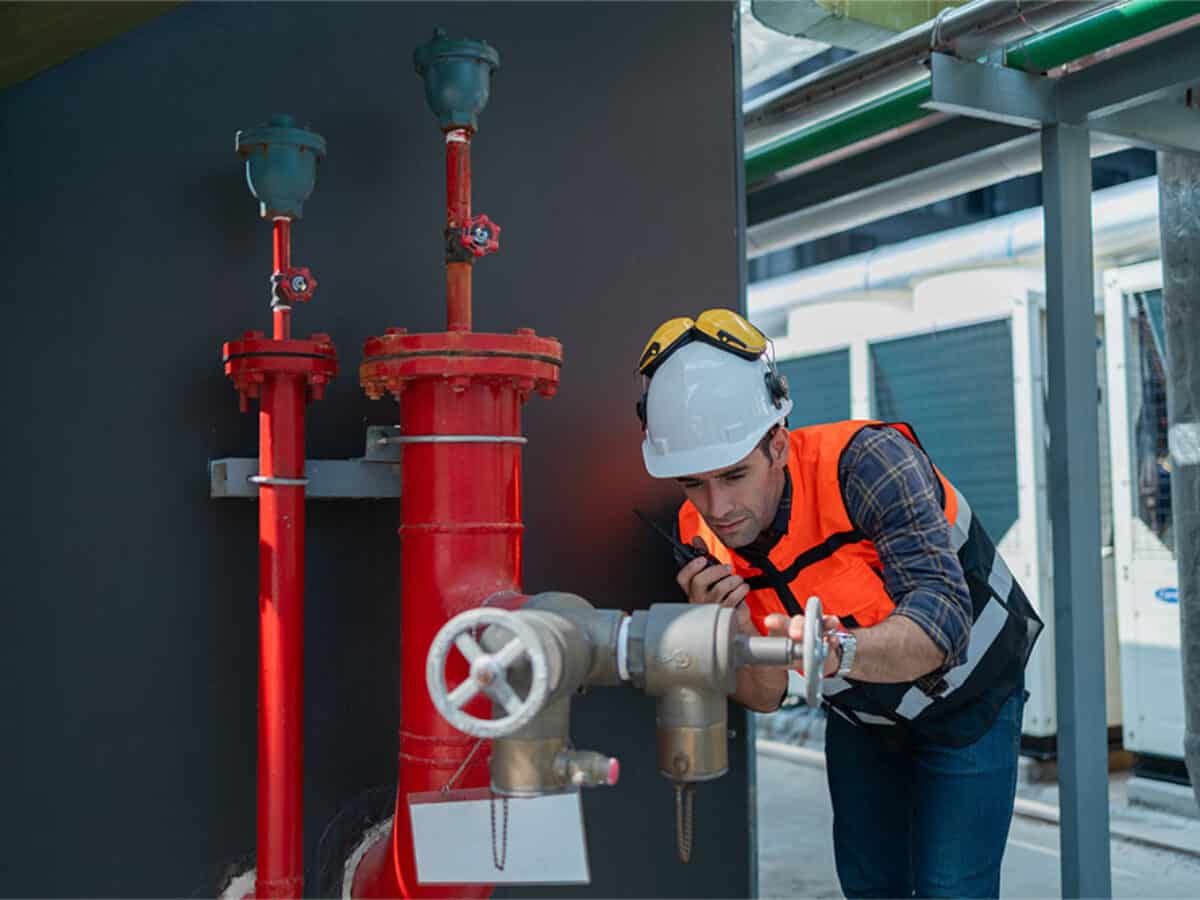
Businesses and developers who want to find more about a fire engineer should understand that this role goes beyond basic fire alarms or extinguishers. A fire engineer reviews how fire could spread, how people would escape, and whether the building design meets required safety standards.
Commercial projects often include complicated layouts, large open spaces, specialist materials, or high occupancy levels. These factors can make standard fire safety guidance harder to apply. A fire engineer can assess the specific risks of the project and recommend practical solutions.
Their advice may influence escape routes, smoke control, fire resistance, compartmentation, sprinkler systems, access for emergency services, and overall building strategy.
When A Project Needs Specialist Fire Safety Input
Specialist fire safety support is usually needed when a building has unusual design features, complex use, or higher risk activities. This may include tall buildings, underground spaces, industrial units, care environments, hotels, or buildings with large numbers of visitors.
A fire engineer may also be required when designers want to use an alternative approach instead of following standard prescriptive rules. In these cases, engineering analysis can show that the proposed design still provides an acceptable level of safety.
Early involvement is often the best approach. If fire safety issues are discovered late in the project, redesigns can become expensive and may delay planning approval, construction, or occupation.
How Fire Engineers Support Compliance And Design

Fire engineers help project teams balance safety, compliance, and practical building design. They work with architects, developers, contractors, building control teams, and fire authorities to create strategies that support both safety and usability.
Their reports can provide technical evidence for design decisions and help demonstrate that risks have been properly considered. This is especially valuable for commercial projects where responsibility, documentation, and regulatory approval are critical.
Good fire engineering can also improve long term building management. Clear fire strategies help owners understand maintenance needs, emergency procedures, inspection requirements, and future changes to the property.
Conclusion
A fire engineer can play a vital role in commercial projects where fire safety risks are complex or standard guidance is not enough. Their specialist input helps protect people, support legal compliance, and reduce the chance of costly design problems. By involving a fire engineer early, developers and businesses can create safer buildings, improve approval processes, and ensure that fire safety is properly integrated into the project from the beginning.